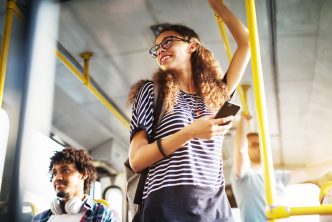
In usual circumstances we would be promoting public transport use all of the way. It can help save some serious cash on your commute, and helps to minimise the number of cars on the road.
These are strange times, however, and we wanted to share with you the most recent advice on public transport use through the COVID-19 pandemic.
The advice is quite clear: Consider all other forms of transport before using public transport.
Below is the official advice from the Government regarding public transport use, which can be seen in full here.
Public transport – buses, rail, underground, tram, ferries
Plan your journey
Consider all other forms of transport before using public transport.
Before and during your journey, check with your transport operator for the latest travel advice on your route.
Travel may take longer than normal on some routes due to reduced capacity and social distancing measures. Allow sufficient time if your journey involves changes between different forms of transport.
Plan ahead by identifying alternative routes and options in case of unexpected disruption.
If you can, travel at off-peak times. Your transport operator can advise on off-peak times. Your employer may agree alternative or flexible working hours to support this.
Where possible, book your travel online through your transport provider’s ticketing app or website. Consider contactless payment to buy tickets.
Taking a less busy route and reducing the number of changes (for example between bus and train) will help you keep your distance from others. Public Health England recommends keeping a 2 metre distance from other people, where possible. Where this is not possible you should keep the time you spend nears others as short as possible and avoid physical contact.
Try to start or end your journey using a station or mode of transport you know to be quieter or more direct. For instance, walk the first or last mile of your journey, or alight at an earlier station, where this is possible.
What to take with you
You should wear a face covering if you need to use public transport
The evidence suggests that wearing a face covering does not protect you, but it may protect others if you are infected but have not yet developed symptoms.
Some people may not be able to wear a face covering. For example, young children, people with breathing difficulties and people whose disabilities makes it difficult for them to wear a face covering
You should be prepared to remove your face covering if asked to do so by police officers and police staff for the purposes of identification.
A face covering is not the same as the surgical masks or respirators used by healthcare and other workers as part of personal protective equipment. These should continue to be reserved for those who need them to protect against risks in their workplace, such as health and care workers, and those in industrial settings, like those exposed to dust hazards.
It is important to use face coverings properly and wash your hands before putting them on and after taking them off.
Consider making a list of items to take with you and minimise the luggage you take.
On your journey
Some routes may be busier than usual due to social distancing measures or changes to previous timetables or schedules. Keep your distance from people outside your household. Public Health England recommends keeping a distance of 2 metres, where possible. The key thing is to not be too close to other people for more than a short amount of time, as much as you can.
The risk of infection increases the closer you are to another person with the virus and the amount of time you spend in close contact: you are very unlikely to be infected from just walking past another person.
There may be situations where you can’t keep a suitable distance from people, for example when boarding or alighting, on busier services, at busier times of day and when walking through interchanges. In these cases you should avoid physical contact, try to face away from other people, and keep the time you spend near others as short as possible. If you can, wear a face covering on public transport. You should be prepared to remove your face covering if asked to do so by police officers and police staff for the purposes of identification.
Be aware of the surfaces you touch. Be careful not to touch your face. Cover your mouth and nose with a tissue or your elbow when coughing or sneezing.
Treat transport staff with respect and follow instructions from your transport operator. This may include:
- notices about which seats to use or how to queue
- additional screens, barriers or floor markings
- requests to board through different doors or to move to less busy areas
Help keep yourself, other passengers and transport staff safe:
- wait for passengers to get off first before you board
- ensure you maintain social distancing, where possible, including at busy entrances, exits, under canopies, bus stops, platforms or outside of stations
- be prepared to queue or take a different entrance or exit at stations
- wait for the next service if you cannot safely keep your distance on board a train, bus or coach
- respect other people’s space while travelling
- avoid consuming food and drink on public transport, where possible
- be aware of pregnant, older and disabled people who may require a seat or extra space
- be aware that some individuals may have hidden disabilities
Seek assistance if you need it
If you require assistance when travelling and would normally contact your transport operator ahead of time, continue to do so.
If any problems arise or you feel ill during your journey, speak to a member of transport staff. In the case of an emergency, contact the emergency services as you normally would.
If you need help, maintain a short distance from members of staff, where possible. If this isn’t possible, you should try to avoid physical contact and keep the time you spend near staff as short as possible.
Guidance From First Bus UK
First Bus have made a helpful video to show the steps they’re taking to keep public transport users safe at the moment, take a look: